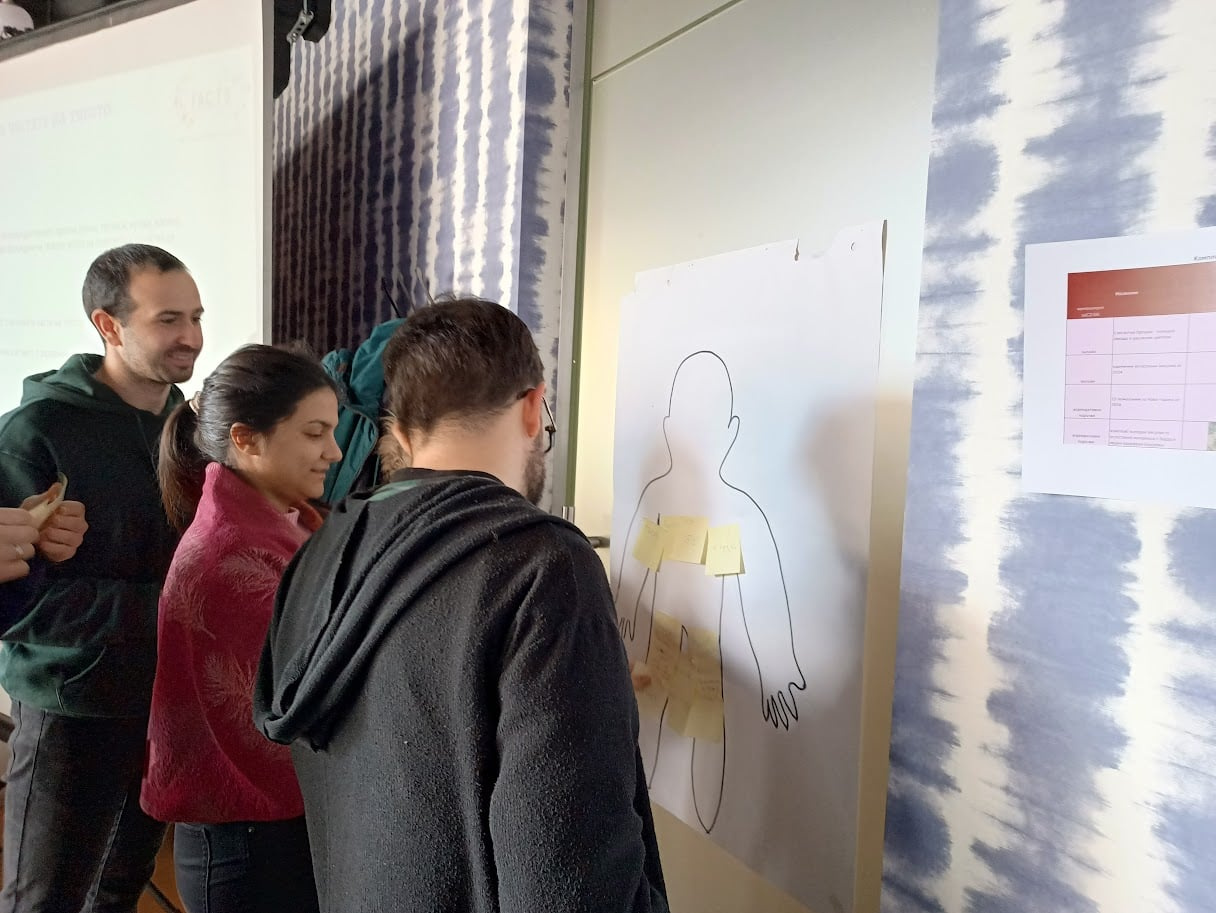
Over the past months, the F.A.C.T.S. project has completed a full round of pilot Train‑the‑Trainer sessions across several partner countries. These sessions marked an important step in shaping the project’s training package on intimate, affective, and sexual life education for autistic young people. Their purpose was twofold: to help new trainers become familiar with the programme, and to gather structured feedback that will support final refinements before trainers move on to certification.
Each pilot followed the same six‑module structure used throughout the project. Participants explored topics ranging from understanding one’s body to gender identity and expression, sexual orientation, different types of relationships, relational challenges, consent, online safety, contraception, and the legal context of sexual rights. The materials were designed with day‑to‑day practice in mind, making them adaptable for professionals working in a variety of settings supporting autistic adolescents.
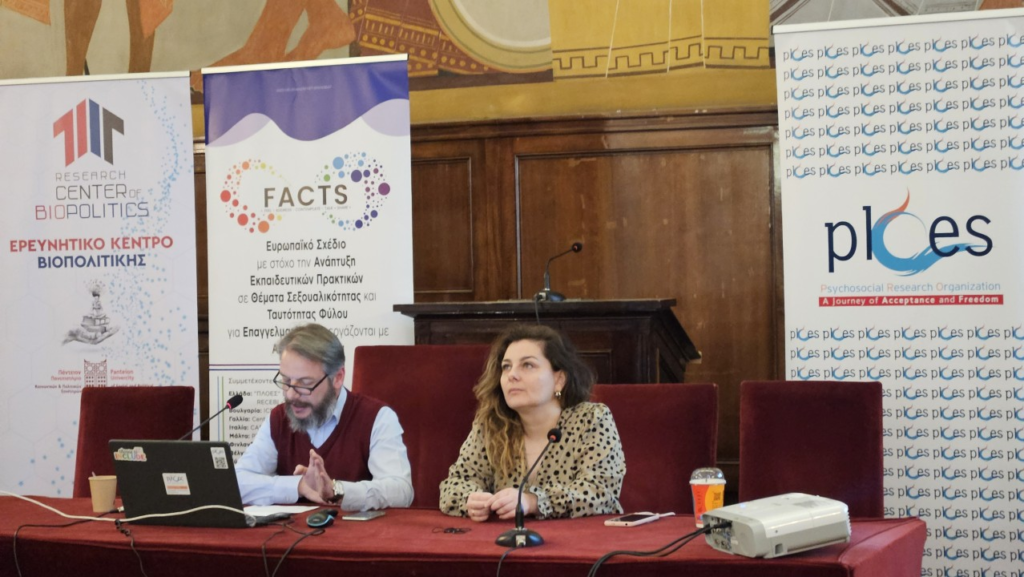
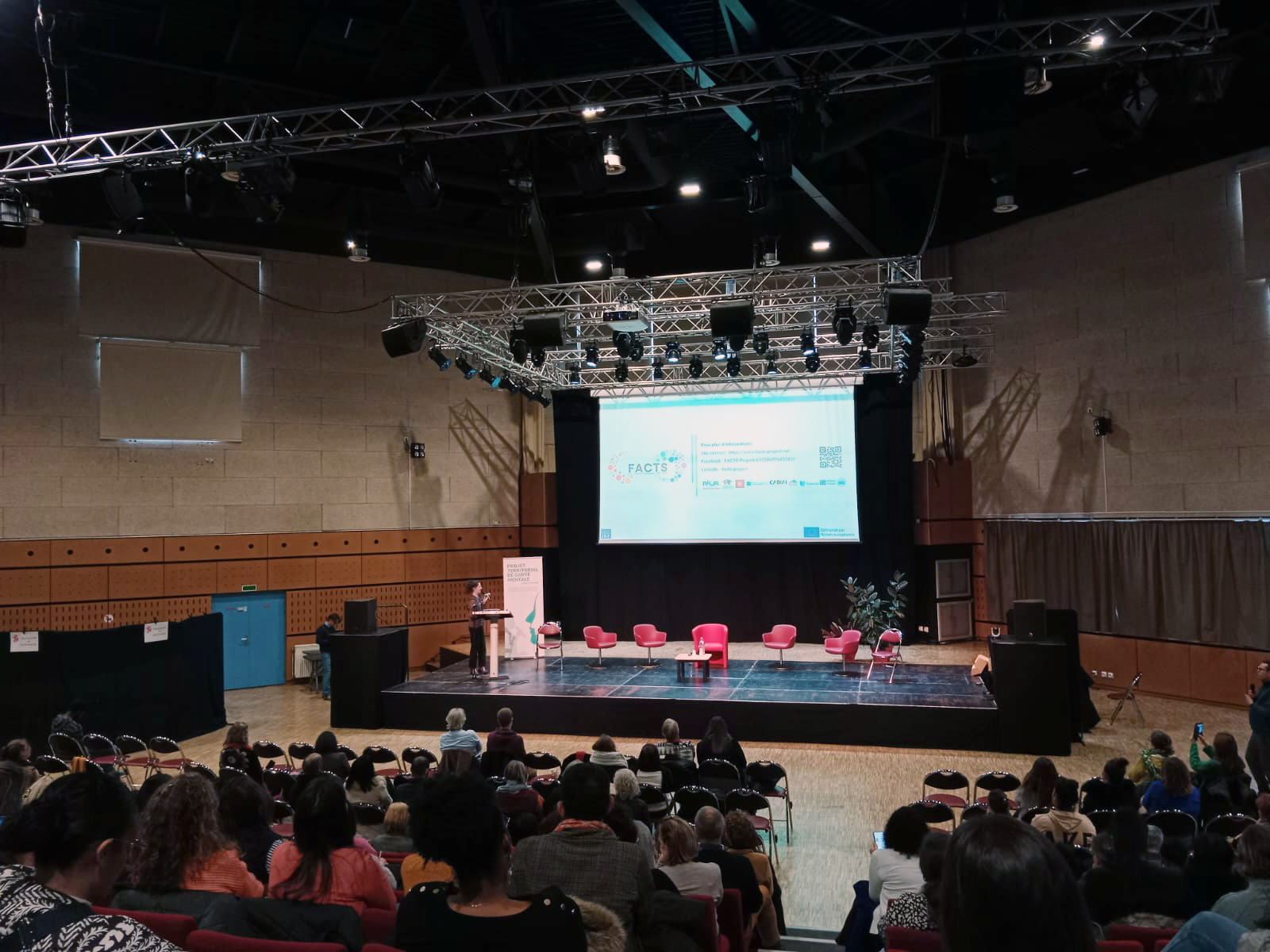
The sessions brought together groups of professionals such as social workers, psychologists, and managers. Trainers walked participants through the modules by linking theoretical content to real‑life scenarios in day‑care and psycho‑social support environments. Participants also had the chance to try out several of the tools included in the programme and discuss how they might use or adapt them. Early impressions were positive: attendees noted the depth and quality of the materials, as well as their flexibility for use with both clients and families. The educational videos developed by the project partners stood out as particularly clear and practical.
One example comes from the pilot held by project partner Tukena in Finland. Run in December 2025 as a full‑day event, the session included module demonstrations, hands‑on testing of exercises, and real‑time feedback collected through Mentimeter. Participants described the content as both useful and relevant to their daily work.
While presenting the material was a key component of the pilots, the broader goal was to ensure that future trainers feel fully prepared. These colleagues will later be able to certify as official F.A.C.T.S. trainers once they complete the programme’s certification process. The pilot phase also provided invaluable input for assessing and improving the training materials. Suggestions under consideration include clarifying the structure of the content, strengthening modular elements, and offering more flexible delivery formats to suit different training contexts.
Taken together, the pilots highlight the partnership’s commitment to co‑creating educational tools that are practical, respectful, and high‑quality. Thanks to the thoughtful engagement of participating professionals, the project is now in a strong position to finalise the training package and begin certifying the next wave of F.A.C.T.S. trainers across Europe.